



- Toxic Gas Detection
- Oxygen Detectors
- Alarm Controllers
- LEL Detectors
- Wireless gas Monitoring
Toxic Gas and oxygen DetectorsMonitoring harmful gases in the ambient air can be challenging, but it’s crucial to ensure a safe industrial environment. Too much oxygen or toxic gas, such as hydrogen sulfide, chlorine, or ammonia, can present new dangers to employees and equipment in the area. Fortunately, the right gas detection and monitoring system can automate hazard detection, ensuring a safer environment and providing peace of mind. Industrial toxic gas and oxygen gas detectors monitor the presence of gases in a specified area and sound an alarm when they reach dangerous levels. Gas detectors are typically installed where there is potential for a gas leak, and where unsafe gas levels pose an immediate danger to workers or critical equipment. Toxic gas detectors are widely used by industries including gas and oil, medical, mining, nuclear, construction, food and beverage , and industrial. | 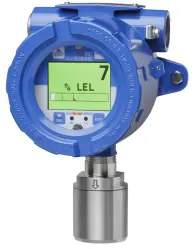 |
Gas Detection Alarm ControllersR.C. Systems Inc.’s critical alarm controllers are widely used throughout the gas industry. Our products are recognized as premium state-of-the-art menu-driven controllers. Designed for early detection of many hazardous gases, our alarm controllers provide continuous monitoring and power for systems that will monitor for dangerous detection levels that could threaten you, your employees, and your business. | 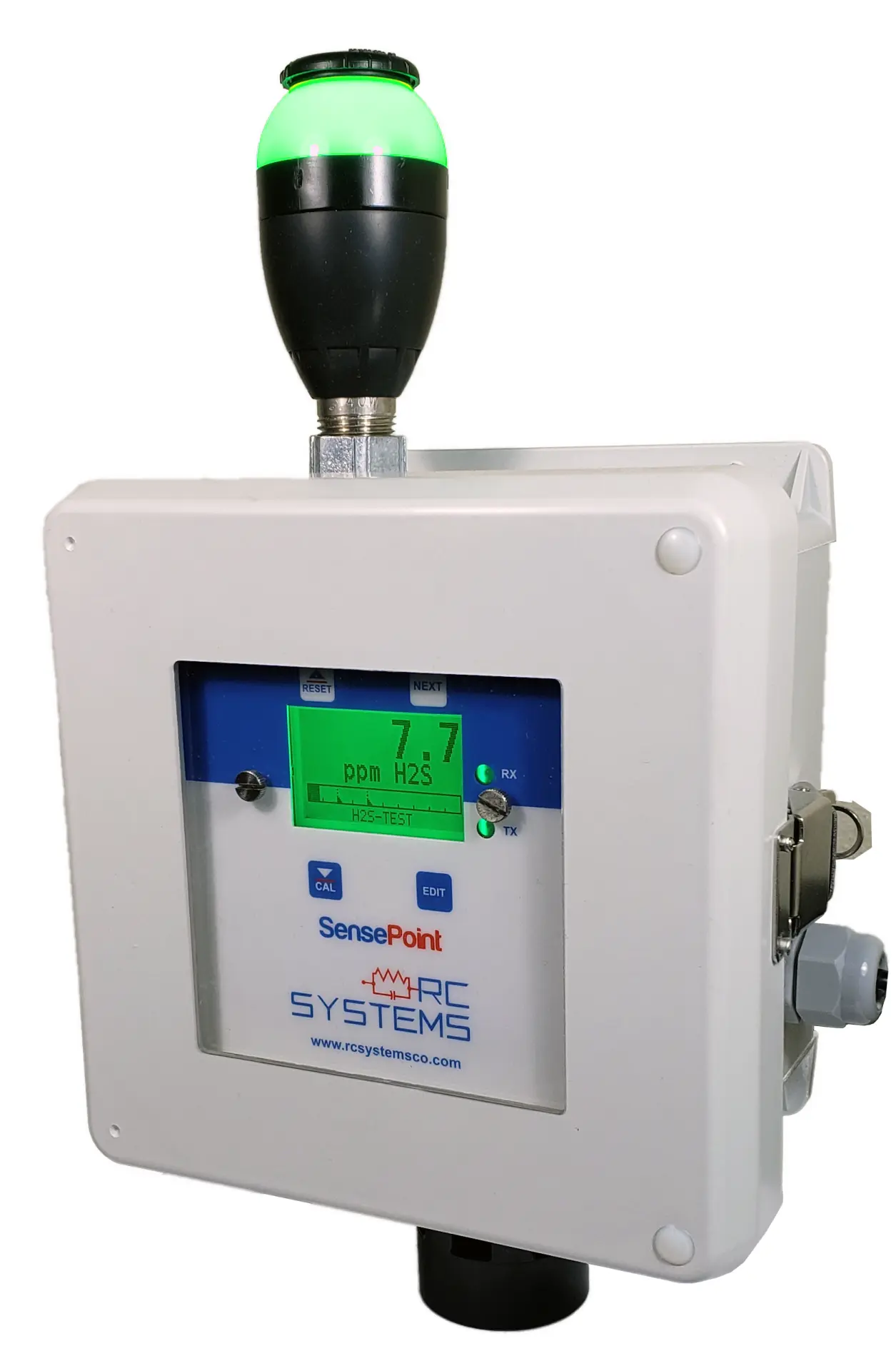 |
Combustible Gas DetectorsR.C. Systems offers: single point and open path gas detection. We have the experience and expertise to find you the combustible gas detector that best fits your application needs. Single Point Combustible Gas Leak DetectorsOur single point gas detectors offer a wide range of features.Catalytic Bead Combustible Gas IndicatorCatalytic bead combustible gas sensors consist of a reference bead and an analytic bead wired into a Wheatstone bridge circuit. In these combustible gas detectors, a small amount of gas is burned on the analytic bead causing it to get hotter and increasing the gas detector’s resistance and voltage drop. This creates an imbalance of the bridge circuit that is proportional to gas concentration. Catalytic sensors are easy to operate and install, and they are easily customizable to many applications.Smart Sensor and Millenium Infrared Gas DetectorsIR explosive gas detectors use band pass infrared light in analytical and reference wavelengths through a volume of gas. Both wavelengths’ paths are measured, and the light is reflected to IR detectors. The target gas reduces the intensity of the analytical beam but not the reference beam, much like smoke affecting visible light. The combustible gas sensor’s reference detector monitors the intensity of the two infrared sources and compensates for the loss of signal caused by dirty optics or source aging. IR explosive gas detectors require minimal to no routine calibration and will operate continuously in the presence of gas. | 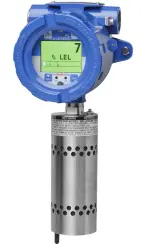 |
Wireless Gas Detectors & MonitorsWireless gas detectors and monitors are designed for continuous monitoring of toxic and combustible gases in the air. Due to their wireless nature, there is no complex system configuration that is needed. Once you assign a unique address to the wireless gas monitor or detector, your job is complete. The wireless gas detection system will collect all the necessary data information from the sensor including the target gas type. There is onboard historical data logging available as well as RTU communication for PLC and DCS systems. Additionally, our wireless gas monitors can easily connect to remote relay modules for audio and visual alarms or Emergency Shut Downs (ESD). Benefits of Wireless Gas DetectionThere are a wide range of benefits that WaveNet wireless gas monitoring devices provide, such as:
|  |
